
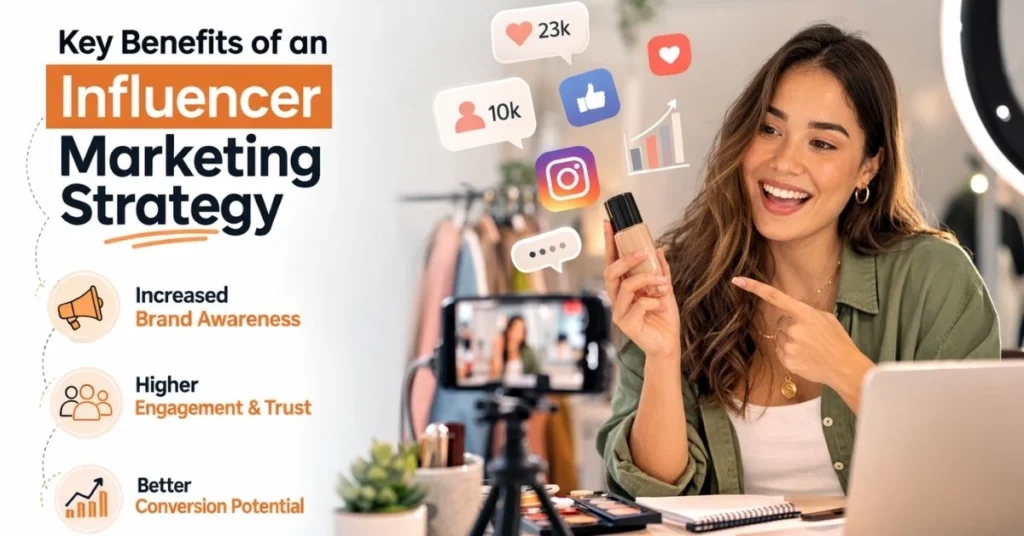
Influencer marketing is all about working with social media stars who already have the trust of their followers. Instead of using traditional ads, influencers can help share your message in a way that feels real. Their followers listen because they trust them, making influencer marketing a great way to get your business in front of the right people.
In this guide, we’ll walk you through the 10 key steps to creating an effective influencer marketing strategy. Whether you’re targeting local or global audiences, these steps will help you identify the right influencers, track your success, and achieve measurable results. Partnering with an influencer marketing agency, like CreatorX, can help you find the best creators and manage campaigns across various social media platforms.
By following these steps, you’ll learn how to set clear goals for your campaigns, track your influencer marketing efforts, and build long-term relationships with influencers that bring consistent engagement and sustainable growth. Over time, you’ll start to see what resonates with your audience and can tweak your approach to make each campaign even more authentic and impactful.
What Is an Influencer Marketing Strategy?
An influencer marketing strategy is all about collaborating with social media influencers to promote products, services, or brand messaging. This strategy involves setting clear campaign goals, building influencer relationships, co-creating content, and tracking campaign success with tools like Google Analytics or influencer marketing platforms.
Why does influencer marketing work? Because influencers have earned their followers’ trust. When they share sponsored content, it feels authentic and personal rather than a traditional advertisement. This type of content leads to meaningful interactions and higher engagement than typical ads can achieve.
10 Key Steps to Drive ROI and Success
Creating a successful influencer marketing strategy requires careful planning and the right approach. These 10 steps will guide you through the process, helping you set goals, find the right influencers, and track performance. A successful influencer marketing strategy includes the following steps to drive ROI and success:
1. Define Your Marketing Goals
The first step in any influencer campaign is to set clear goals. Are you trying to get more people to know about your brand, bring traffic to your website, get new customers, or promote a new product? Knowing your goals right from the start will help you pick the right influencers and decide which numbers (KPIs) are most important to track.
For example, if your goal is to get new customers, you’ll need to look at things like how many people are liking, commenting, sharing, or clicking on your posts. These numbers show how well your influencers are getting people interested. By keeping track of these numbers, you can see if your campaign is working. If it’s not, you can change things up, like trying a new type of content or working with different influencers, to get better results.
2. Identify Your Target Audience
Before you start choosing influencers, it’s important to know who you want to reach. Think about the kind of people who would be interested in your product. What do they like? What kind of things do they watch or read online? Understanding these things will help you find influencers who already have followers that match your audience.
When picking an influencer, try to find someone whose followers are similar to the people you want to reach. Smaller influencers don’t have millions of followers, but they do have a dedicated group of people who trust them. These influencers usually focus on specific interests, like fashion, food, or fitness, and have a strong connection with their followers. This makes them great for reaching people who really care about what you offer. When you choose an influencer whose audience matches your brand, you’re more likely to see real interest and engagement.
3. Choose the Right Social Platforms
Different social media platforms work better for different types of content. For example, TikTok is perfect for quick, fun videos that grab attention, while Instagram shines with beautiful visuals and storytelling. YouTube, on the other hand, is great for in-depth product demos and longer content. Picking the right platform for your influencer campaign helps make sure your content reaches the audience most likely to engage.
Think about where your target audience hangs out the most. If your audience is on Instagram, for example, focus on creating great visuals that tell a story. Matching your content style with the platform they spend time on makes sure your campaign gets seen and has the biggest impact.
4. Find Influencers That Match Your Brand
Once you’ve set your goals and picked the right platform, it’s time to find influencers who match your brand. Look for influencers whose style and content align with your message. Whether they’re macro, micro, or mega influencers, make sure their audience and tone fit with your brand’s values. This helps ensure your campaign feels genuine and connects with the right people.
When you’ve found some potential influencers, check their follower count and engagement rates to see how active their audience is. But don’t just focus on the numbers, look at how authentic their content feels. The best collaborations happen when both the brand and the influencer share the same vision, which leads to better results and stronger engagement.
5. Set Your Campaign Budget
Your influencer marketing budget will depend on a few factors: the size of your campaign, the type of influencer you’re working with, and the platform you’re using. Influencers usually charge based on their follower count, engagement rates, and the type of content, whether it’s a sponsored post or a long-term partnership.
Setting a realistic budget helps you get the most value from your resources. Keep in mind that working with larger influencers can be more expensive, so it’s important to plan your budget carefully. This way, you can make sure your money is being spent in the right places to help achieve the goals you’ve set for your campaign.
6. Develop a Content Collaboration Plan
A successful influencer collaboration is all about finding the right balance between the influencer’s creative freedom and your brand’s needs. While it’s important for influencers to stay true to themselves, you should also provide clear brand guidelines to make sure the content aligns with your message.
Create a content collaboration plan that sets expectations for things like content style, the campaign timeline, and key messages. This helps both the influencer and your brand stay on the same page, so the content feels natural for their followers while still promoting your brand’s goals.
7. Launch Your Influencer Campaign
Once you’ve chosen your influencers and set your content plan, it’s time to launch your campaign. When the content goes live, keep an eye on how it performs. Watch for things like likes, comments, shares, and website traffic to see how your audience is responding. Check these numbers regularly so you can quickly spot any problems and fix them. If something is working well, use it to your advantage to make the campaign even better. Monitoring the campaign closely helps you stay on track and get the best results.
8. Monitor Campaign Performance
After launching your influencer campaign, it’s important to keep track of how it’s doing. Look at how many likes, comments, shares, and visits to your website you’re getting. You can use tools like Google Analytics or influencer platforms to help track these numbers. This helps you see what’s working and what might need some changes. If you notice certain content types getting more attention, you can use that as a blueprint for future campaigns.
9. Optimize and Scale
Once you have enough data, it’s time to make adjustments. Focus on what’s working best, whether it’s the influencers, platforms, or the kind of content that’s getting the most engagement. When you find something that works, you can scale it up by partnering with more influencers who match your brand. This lets you reach more people and get a better return on your investment.
10. Maintain Long-Term Partnerships
Influencer marketing doesn’t have to end with just one campaign. Building long-term relationships with influencers creates lasting engagement and trust with their followers. When you work with influencers over time, the content feels more real and connects better with their audience. These ongoing partnerships help grow your brand, increase your return on investment, and build stronger loyalty with your customers.
Why Influencer Marketing Matters for Modern Brands
Influencer marketing is growing quickly because consumers trust influencers more than traditional ads. Influencers build engaged communities based on shared interests, which makes their recommendations feel authentic. This trust leads to stronger connections, higher engagement, and better chances of turning followers into customers.
As the influencer marketing industry grows, more brands are investing in these partnerships to reach new audiences. By working with influencers, brands can access niche markets that may be hard to reach otherwise. Influencers also provide valuable insights into consumer behavior, allowing brands to better understand their audience. These insights help brands create campaigns that drive growth and build lasting relationships with their customers.
Types of Influencers Brands Can Partner With
Influencers are often grouped by the number of followers they have. This helps brands choose the right influencer based on what they want to achieve with their campaign. Each influencer type has its strengths depending on your goals.
Here’s a breakdown of the different types of influencers you can partner with:
|
Influencer Type |
Follower Range |
Best For |
Main Advantage |
|---|---|---|---|
|
Mega Influencers |
1M+ |
Brand awareness |
Huge reach to a broad audience |
|
Macro Influencers |
100K–1M |
Large campaigns |
Strong visibility across a wide group |
|
Micro Influencers |
10K–100K |
Niche targeting |
Higher engagement with a dedicated audience |
|
Nano Influencers |
Under 10K |
Building trust in smaller communities |
Authentic engagement and personal connections |
Choosing the right influencer type depends on your campaign goals. For example, if you need broad brand awareness, a mega influencer can help you reach millions. However, if you’re looking for a more niche audience with stronger engagement, micro or nano influencers might be a better fit. Each type brings something unique, helping you connect with the right audience.
Key Benefits of an Influencer Marketing Strategy
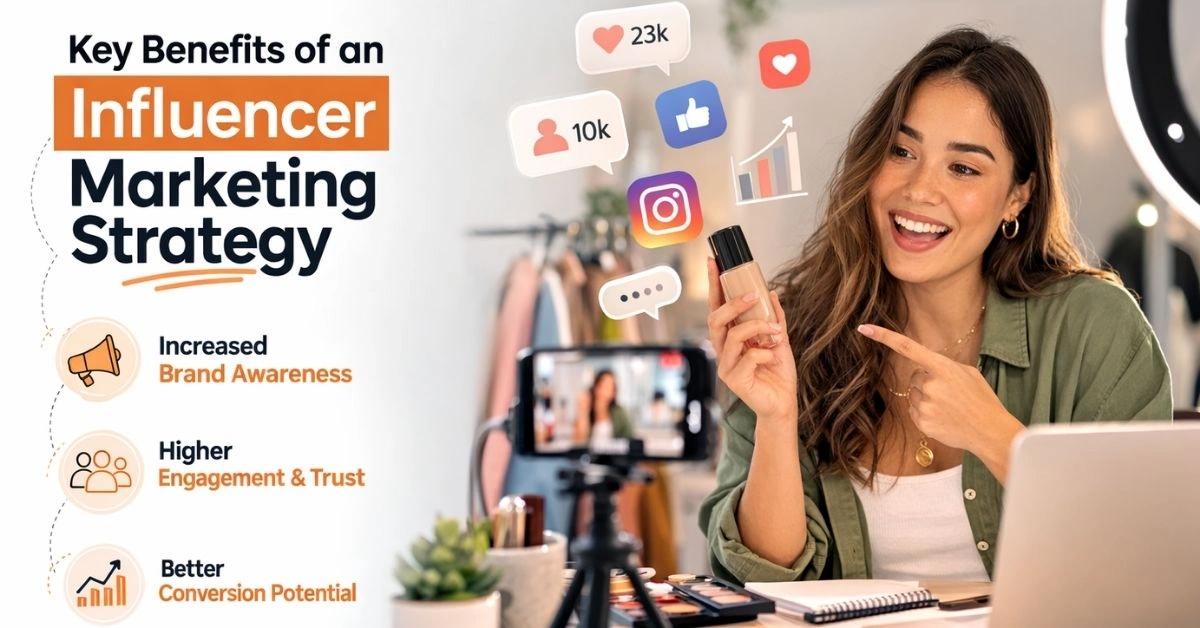
An influencer marketing strategy offers a lot of great benefits for brands that want to grow their online presence. Instead of just running traditional ads, partnering with influencers lets brands connect with their audience in a more real and personal way. It feels less like a sales pitch and more like a friendly recommendation from someone they trust.
-
Increased Brand Awareness: When influencers share your brand, they introduce you to new audiences that might not have heard of you before. Their followers trust them, and that trust can help your brand reach more people.
-
Higher Engagement and Trust: Influencers have loyal followers who trust their opinions. Because of this, their recommendations feel genuine. This leads to more comments, likes, and shares, which helps create a stronger connection with your brand.
-
Better Conversion Potential: Influencers know how to create content that feels real and relatable. Their posts show followers how a product or service fits into everyday life, which makes it easier for people to see themselves using it. This type of content tends to lead to more sales than traditional ads, because it feels more authentic.
How to Track Influencer Marketing Performance
Tracking your influencer campaigns is key to knowing what’s working and what’s not. By using analytics tools, you can see which content performs well and gather insights to improve future campaigns. This helps you make better decisions and get more out of your efforts.
Here are the key things to track:
-
Engagement metrics: This includes likes, comments, and shares. It shows how much your audience is interacting with the content.
-
Website traffic: Check how many visitors come to your site from the influencer’s posts. This helps you see if the campaign is driving traffic.
-
Conversions and sales: Track how many people purchase after seeing an influencer’s post. This tells you how well the campaign is turning interest into sales.
-
Campaign ROI: Measure the money you make versus what you spend. This helps you understand if the campaign is worth the investment.
The Future of Influencer Marketing
The future of influencer marketing is closely tied to the growth of the creator economy. As social media platforms evolve, influencers are becoming powerful channels of media that shape online culture and influence purchasing decisions.
-
Rise of the Creator Economy: Creators are building independent media brands with dedicated followers, opening new avenues for brands to reach engaged communities.
-
Long-Term Influencer Programs: Instead of relying on one-off campaigns, brands are increasingly building long-term partnerships with influencers, fostering stronger connections over time.
Conclusion
A strong influencer marketing strategy allows brands to connect with audiences through authentic creator partnerships and targeted social media campaigns. By combining influencer discovery, content collaboration, and performance tracking, businesses can turn influencer marketing into a scalable growth channel.
As the creator economy continues to expand, brands that invest in long-term influencer partnerships and data-driven campaign strategies will gain a competitive advantage. Companies looking to launch successful influencer marketing campaigns can simplify the process by working with experienced partners like CreatorX Agency, which helps brands discover creators, manage campaigns, and optimize performance.
FAQs
What are the 3 R’s of influencer marketing?
The three R’s of influencer marketing are reach, relevance, and resonance. Reach refers to the size of an influencer’s audience, relevance is about how well the influencer aligns with the brand and target audience, and resonance reflects how strongly the audience engages with the influencer’s content.
What is the 3-3-3 rule in marketing?
The 3-3-3 rule is all about grabbing attention quickly in digital marketing. Marketers aim to grab attention within three seconds, communicate the key message within three lines, and reinforce the message through three interactions with the audience.
What is the 5-5-5 rule for social media?
The 5-5-5 rule suggests brands should balance their content strategy. Businesses typically post five educational posts, five entertaining posts, and five promotional posts within a content cycle to keep their audience engaged without bombarding them with advertising.
What are the 4 M’s of influencer marketing?
The four M’s of influencer marketing are market, message, medium, and measurement. Market refers to the target audience, message defines the campaign narrative, medium is about the platform used for promotion, and measurement is about evaluating campaign performance using data and analytics.