
Influencer platforms are the matchmaking layer between creators and the brands that want to work with them. In 2026, the influencer marketing platform market alone is worth $1.15 billion, and brands now spend an average of 17% of their total influencer budget on tooling, vetting, and measurement. Whether you are a creator looking for brand deals or a brand searching for the right creator partners, these platforms streamline discovery, outreach, campaign management, and payment.
But not all influencer platforms are created equal. Some are built for enterprise brands running global campaigns. Others are free marketplaces designed for nano creators landing their first paid collaboration. Choosing the wrong platform wastes time and money. This guide breaks down the platform types, compares the top options, and helps you pick the right one for your specific goals.
- The influencer marketing platform market is worth $1.15 billion in 2026, projected to reach $2.03 billion by 2031
- Brands spend an average of 17% of their influencer budget on tooling, vetting, and measurement
- Creator discovery is the #1 AI use case in influencer marketing (36.67% of marketers)
- TikTok captures ~35% of global influencer spend in 2026, edging past Instagram (33%) for the first time
- Influencer software grew into a $400 million sub-category in 2025, up 38% year-over-year
What Are Influencer Platforms?
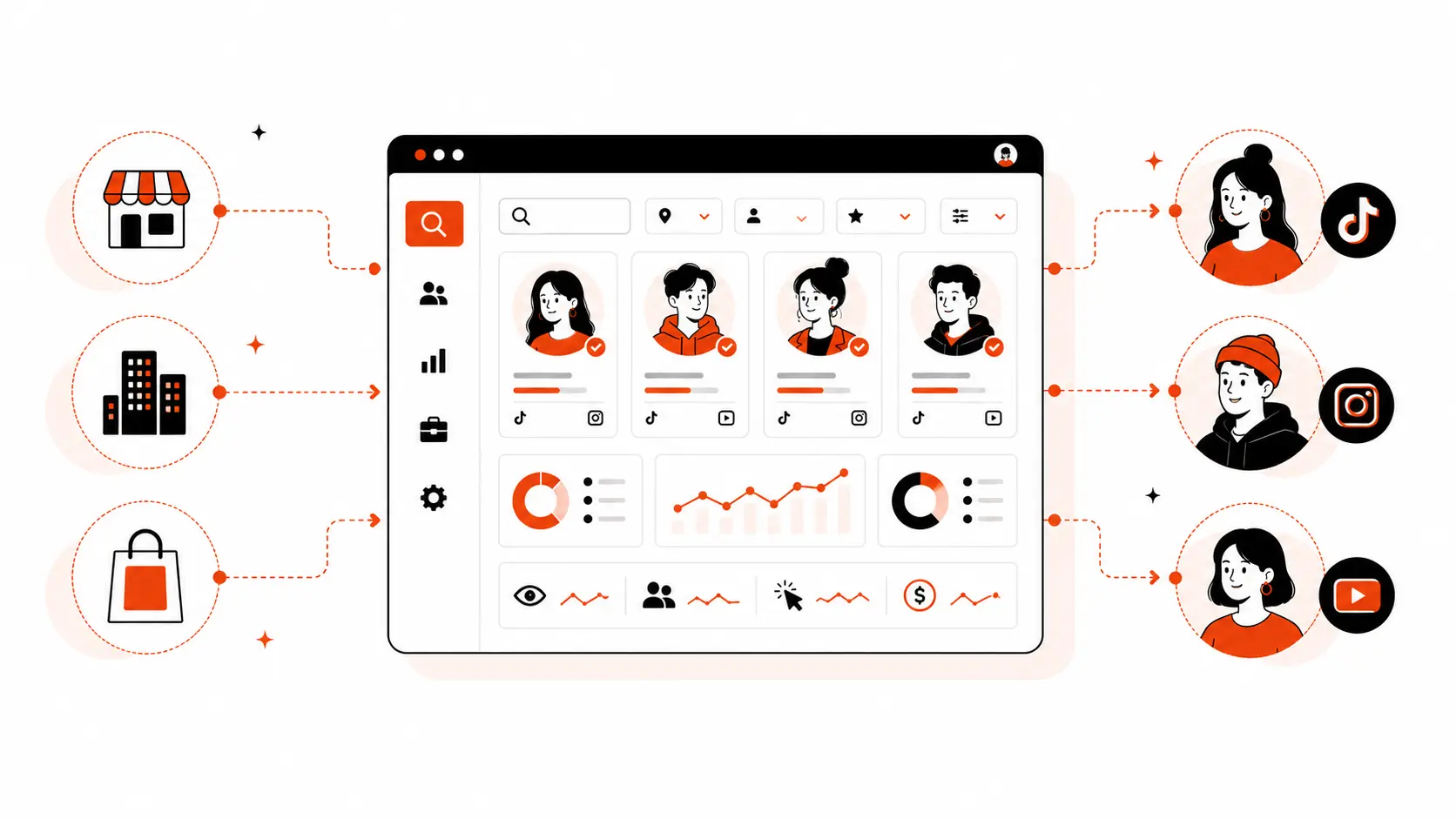
Influencer platforms are software tools that help brands find, vet, manage, and pay content creators for marketing campaigns. They also help creators discover brand partnership opportunities, manage their collaborations, and get paid. Think of them as the infrastructure that powers the $32.6 billion influencer marketing industry.
Before these platforms existed, brands found creators through manual social media searches, DMs, and spreadsheets. Creators found brands through cold emails and personal connections. Influencer platforms replaced that manual process with searchable databases, AI-powered discovery, campaign management dashboards, content approval workflows, and integrated payment systems.
Source: MarketsandMarkets, Influencer Marketing Hub Benchmark Report, and Digital Applied, 2026
Creator discovery and vetting is the most commonly outsourced function in influencer marketing at 19.44%, and it is also the leading AI use case at 36.67%. This means more than a third of marketers are now using AI tools to find and evaluate creators rather than scrolling through social media manually. The platforms that have invested most heavily in AI-powered search and recommendation are seeing the fastest adoption.
Source: Influencer Marketing Hub Benchmark Report, 2026
Influencer platforms are a key part of the broader influencer marketing ecosystem. For a full overview of how influencer marketing drives results, read Influencer Marketing ROI: How to Measure and Maximize Results.
Types of Influencer Platforms
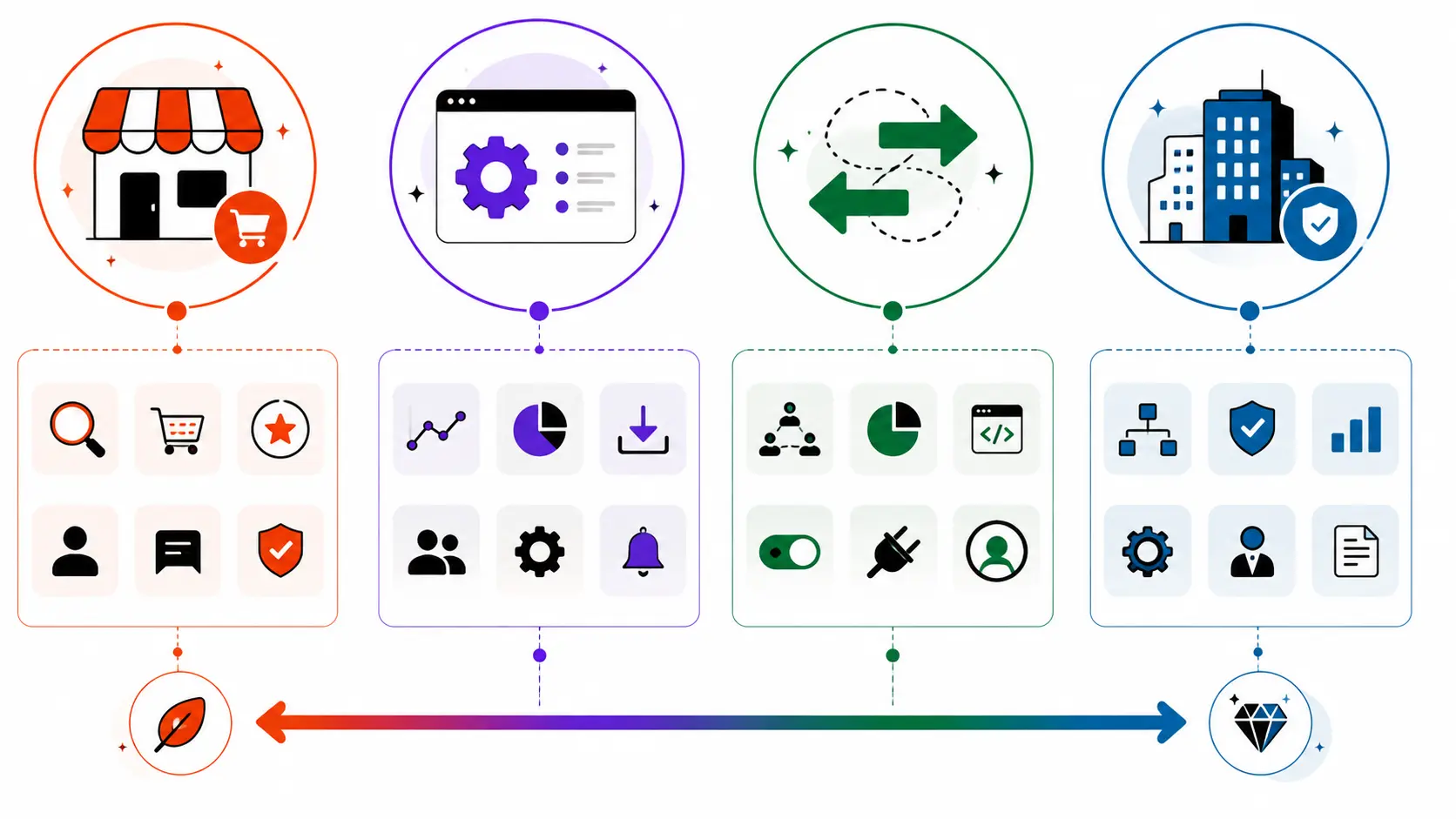
Influencer platforms fall into three broad categories, each designed for different users with different budgets and needs. Understanding these categories helps you narrow your options before comparing individual tools.
If you are a creator, start with free marketplaces (Collabstr, Afluencer, Shopify Collabs) to build your partnership portfolio. If you are a brand, start with a marketplace to test influencer marketing, then graduate to a SaaS platform when you are managing more than 10 to 15 creator relationships simultaneously. The tool should match the scale of your program, not the other way around.
The Best Influencer Platforms in 2026
The right platform depends on whether you are a creator or a brand, your budget, the social platforms you focus on, and the scale of your campaigns. Here are the top platforms across each category.
For Creators
For Brands and Agencies
How to Compare and Choose the Right Platform
With dozens of influencer platforms available, choosing the right one comes down to five key factors. Here is a framework for making the decision without getting lost in feature lists.
Creators need platforms that are free to join, have active brand campaigns, and handle payments securely. Brands need platforms with robust search and discovery, campaign management, and performance analytics. Some platforms serve both sides, but most are optimized for one.
If you are running fewer than 10 creator partnerships, a marketplace like Collabstr or Shopify Collabs is more cost-effective than a $2,000/month SaaS tool. If you are managing 50+ creators across multiple campaigns simultaneously, you need the workflow automation and reporting that enterprise platforms provide. Do not pay for features you will not use.
Make sure the platform supports the social networks you focus on. If you are heavily invested in TikTok, choose a platform with strong TikTok creator databases and analytics. If you need Amazon influencer support, Upfluence is currently the only major platform that includes it. If you run B2B campaigns on LinkedIn, CreatorIQ is your primary option.
A platform claiming “10 million creators” is meaningless if the search and filtering are poor. What matters is whether the platform helps you find the right 10 creators for your specific campaign. Look for AI-powered search, audience demographic filters, engagement rate data, brand safety vetting, and fake follower detection. Quality discovery saves more time than a large database.
Most SaaS platforms offer demos, and marketplaces let you browse for free. Run a small test campaign on 2 to 3 platforms before committing to an annual contract. Compare response rates, creator quality, workflow efficiency, and reporting depth. The best platform is the one that fits your specific workflow, not the one with the most features on paper.
A thread on r/influencermarketing asked “Which influencer platform actually sends you real brand deals?” The top-voted response: “I have profiles on five platforms and 90% of my actual paid work comes from two: Collabstr and direct pitches. The big platforms are great for brands, but as a creator under 50K followers, most of the enterprise tools do not even know I exist. My advice: sign up for every free marketplace, keep your profiles updated with recent work, and treat them as lead sources, not your entire strategy. Direct outreach still pays the most.”
To learn how influencer agencies use these platforms to manage creator campaigns at scale, read Top Influencer Marketing Agencies.
How to Get Started on an Influencer Platform
Whether you are a creator joining a marketplace or a brand evaluating SaaS tools, the setup process follows a predictable pattern. Here is how to get running quickly and start seeing results.
For Creators
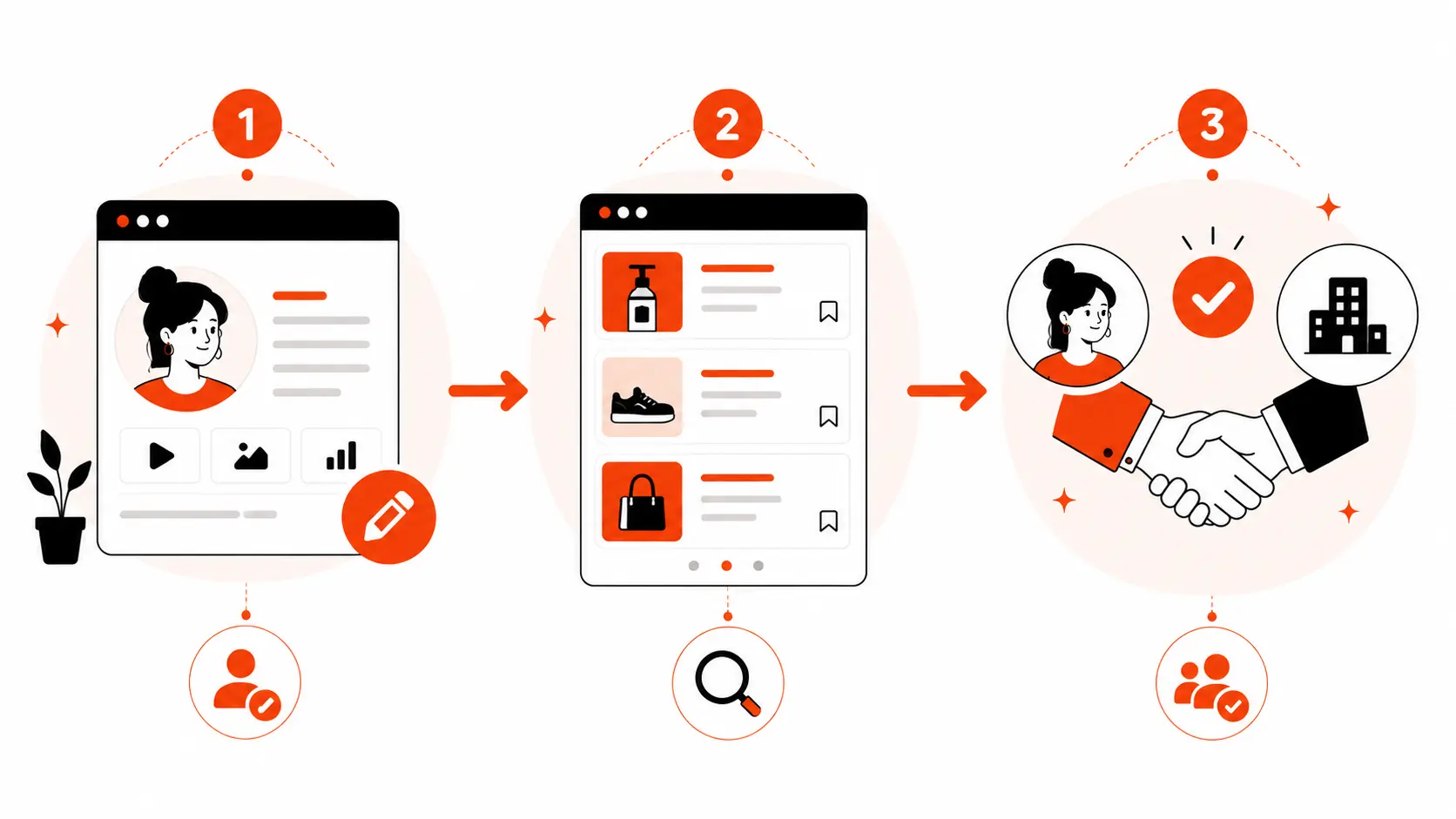
Start with Collabstr, Afluencer, and Shopify Collabs. These are free, active, and have real brand campaigns. Fill out every field completely: bio, niche, audience demographics, content samples, engagement rates, and your rate card. Incomplete profiles get skipped by brands searching for partners.
Do not apply to everything. Apply only to campaigns where your audience genuinely aligns with the brand’s target customer. A fitness creator applying to a pet food campaign wastes everyone’s time. Quality applications with personalized notes convert at a much higher rate than mass applications.
Update your follower count, engagement rate, and content samples every month. Add new brand partnerships as they happen. Platforms with active, recently-updated profiles rank higher in brand search results. A profile last updated six months ago signals inactivity.
For Brands
If you have never run an influencer campaign, start with Collabstr or Shopify Collabs to test the waters. Run 3 to 5 small collaborations, measure results, and learn what works for your brand. Once you have validated the channel and need to scale, evaluate GRIN, Aspire, or Upfluence based on your specific integration and workflow needs.
Before opening any platform, write down exactly what you need: niche, follower range, engagement rate threshold, content format, platform focus, and budget per creator. Having clear criteria prevents you from browsing endlessly and helps you use the platform’s filters effectively.
Sprout Social’s 2026 platform comparison found that the biggest differentiator between platforms is not features but fit. Later Influence uses predictive AI built on verified purchase data to recommend creators proven to drive sales, not just engagement. GRIN is built for DTC e-commerce brands that want to connect influencer activity directly to revenue. CreatorIQ is designed for Fortune 500 companies running always-on global programs. The platform that works best is the one designed for your specific use case, not the one with the longest feature list.
Source: Sprout Social, “Top 16 Influencer Marketing Platforms for 2026”
Do not pay for an enterprise influencer platform before you have validated that influencer marketing works for your brand. Too many companies sign $25,000+ annual contracts with GRIN, Aspire, or CreatorIQ before running a single successful campaign. Start with free or low-cost marketplaces, prove the ROI, then invest in premium tooling to scale what is already working.
Need more than a platform?
CreatorX provides hands-on creator management and brand partnership services that go beyond self-serve tools.
Explore Creator ServicesLearn how professional talent management complements platform tools in What Does a Talent Manager Do? and explore the full range of services at CreatorX’s Influencer Talent Agency.
FAQs About Influencer Platforms
Influencer Platforms Are Essential Infrastructure for the Creator Economy
The influencer platform market is a $1.15 billion industry because both creators and brands need efficient ways to find each other, collaborate, and measure results. For creators, free marketplaces like Collabstr, Afluencer, and Shopify Collabs provide immediate access to paid brand opportunities. For brands, SaaS platforms like GRIN, Aspire, CreatorIQ, and Upfluence turn influencer marketing from a manual process into a scalable channel.
The key is matching the platform to your needs. Start simple, test before committing, and scale your tooling as your influencer program grows. For managed partnership support that goes beyond self-serve platforms, explore CreatorX’s Creator Marketing Services.