
Influencer marketing is one of the best ways for brands to reach and engage with potential customers and consumers. The premise of influencer market is based on the highly engaged audiences of influencers, the influencer’s authenticity displayed through their content and the inherent trust between the influencers and the audience. Influencer’s are able to take a brand’s core message and adapt into their own voice and reach millions – driving awareness and new customers for the brand.
It’s critical that brand’s have and adopt key metrics to measure the impact and success of the influencer and creator sponsorships. By measuring influencer marketing ROI (Return on Investment), brands can better understand the impact of their partnerships and optimize their campaigns for even better results. ROI is one of ways of measuring the impact of influencer and creator marketing. Other metrics include: ROAS (Return on Ad Spend) as well as more specific metrics including: Cost Per Sale (CPS), Cost Per Acquisition (CPA), and Customer Lifetime Value (CLV) among other metrics.
When brands study their results, they’re able to optimize their campaigns and figure out the most successful methods and influencer platforms that work. Marketers can find creators who perform well, improve their strategy, and spend their budget on the channels that bring the best results. With professional influencer marketing services, brands can further optimize their efforts by selecting the right influencers and fine-tuning their approach. In this guide, we will explain how to measure influencer marketing ROI and share simple ways to improve your campaign performance
What is Influencer Marketing ROI?
Influencer marketing ROI (Return on Investment) refers to the value a brand gains from working with influencers compared to the total cost of running the campaign. In simple terms, it helps companies see whether the money, time, and resources spent on influencer partnerships are actually producing worthwhile results. These results may include product sales, website visits, new customer sign-ups, or stronger brand visibility.
For most brands, measuring influencer marketing ROI is an important part of understanding campaign performance. Looking at results such as engagement, traffic, and conversions helps marketers identify which creators and strategies are working well. This makes it easier to improve future campaigns, focus on partnerships that perform best, and make smarter decisions about where to invest marketing budgets.
How to Calculate Influencer Marketing ROI
Calculating influencer marketing ROI helps brands understand if their campaign worked well. In simple terms, it shows if the money spent on a campaign brought back good results. Brands often work with influencers to promote products, share reviews, or show how a product works. After the campaign ends, the brand needs to check what the campaign achieved.
To do this, marketers compare the money spent on the campaign with the results the campaign produced. These results can include product sales, new customers, or people visiting the brand’s website. When brands track these results, they can see if the influencer partnership helped their business grow.
Measuring ROI also helps brands make better marketing decisions. If a campaign performs well, the brand may work with the same influencer again. If the campaign performs poorly, the brand can adjust the strategy or choose different creators next time. Because of this, ROI helps companies improve their marketing over time.
Simple Influencer Marketing ROI Formula
Most brands use a simple formula to calculate influencer marketing ROI. The formula compares the money earned from a campaign with the money spent to run it. This helps brands understand if the campaign made a profit or not.
ROI = (Money Earned − Campaign Cost) ÷ Campaign Cost × 100
| Part | Meaning |
|---|---|
| Money Earned | Sales made from the influencer campaign |
| Campaign Cost | Total money spent on the campaign |
| ROI | The return compared to the money invested |
This formula shows whether the campaign made more money than it cost. If the number is high, the campaign performed well. For example, imagine a brand spends $6,000 on an influencer campaign. The influencer shares the product with their followers and helps generate $18,000 in sales. Since the brand earned more money than it spent, the campaign produced a strong return.
However, revenue is not the only result brands should look at. Influencer campaigns can also increase brand awareness, bring more visitors to a website, and attract new followers. These results help businesses grow even if some customers buy later.
Steps to Calculate Influencer Marketing ROI
Brands usually follow a few clear steps to measure influencer marketing ROI.
1. Track campaign costs: First, record the total money spent on the campaign. This includes influencer payments, product samples, and content production costs.
2. Measure campaign results: Next, check the results created by the campaign. These results may include product sales, website visits, or new customers.
3. Use tracking tools: Brands often use promo codes, affiliate links, or UTM links to track where sales come from. These tools make it easier to connect influencer content to real results.
4. Compare results with costs: Finally, compare the money earned with the campaign cost. If the campaign earns more money than it costs, the influencer marketing ROI is positive.
When brands measure influencer marketing ROI regularly, they learn which influencers bring the best results. This makes it easier to improve future campaigns and invest in partnerships that support business growth.
Key Metrics for Measuring Influencer Marketing Success
To understand if an influencer campaign is working, brands must track a few important metrics. These metrics show how people respond to the influencer’s content and how the campaign helps the business grow. Instead of guessing, marketers use these numbers to see what is working and what needs improvement.
Some campaigns focus on sales, while others focus on brand awareness or audience growth. Because of this, brands often track several metrics together. Looking at multiple influencer marketing roi metrics gives a clearer picture of how the campaign performs. The three most common metrics used in influencer marketing are engagement rate, reach, impressions, and conversion rate. Each metric shows a different part of the campaign’s impact.
Engagement Rate
Engagement rate shows how people interact with an influencer’s content. It does not only look at how many followers someone has. Instead, it looks at how audiences respond to a post. This helps brands understand if people are actually paying attention to the content and reacting to it.
These interactions can include likes, comments, shares, or saves. When followers engage with a post, it usually means the content caught their attention. A high engagement rate often shows that the influencer has a strong relationship with their audience. Followers trust the creator and are more likely to listen to their recommendations.
Because of this, brands often choose influencers who have active and engaged audiences. For example, an influencer with 50,000 followers and many comments on each post may be more valuable than an influencer with 500,000 followers but very little interaction.
Reach & Impressions
Reach and impressions help brands see how many people are exposed to an influencer’s content during a campaign. These numbers give a simple picture of how widely a post spreads and whether it is appearing in front of a large audience. When reviewing influencer marketing campaigns, marketers often check these metrics to understand how visible the content actually was.
Reach counts the number of unique people who saw the post. Impressions show the total number of times the post appeared on screens. Because the same person may see a post more than once, impressions are usually higher than reach. Looking at both numbers together helps brands understand how much exposure their campaign received.
Conversion Rate
Conversion rate shows how many people do something after they see an influencer’s post. For example, someone might buy the product, visit the brand’s website, or sign up for a service. This helps brands see if the post is actually leading people to take action. It shows whether the campaign is turning attention into real results.
Brands usually track this using promo codes or special links shared by the influencer. When someone uses the code or link, the brand can see where the action came from. If many people take action after seeing the post, it means the influencer’s audience trusts the recommendation. This also helps brands understand which partnerships are working well.
Optimizing Influencer Campaigns for Better ROI
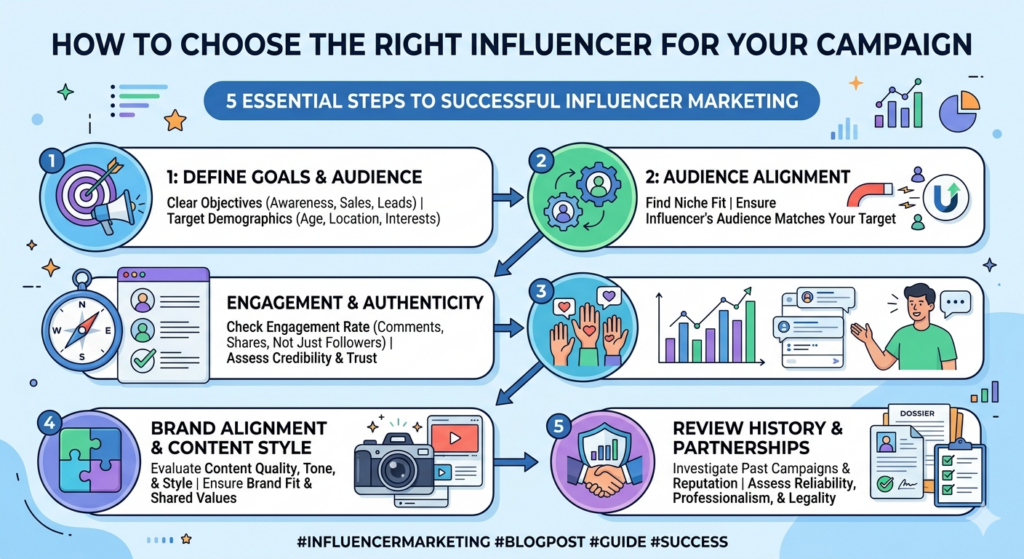
Improving influencer marketing ROI starts with building the right strategy before a campaign begins. Many brands assume that working with any creator will produce results, but that is not always true. Successful influencer marketing campaigns require planning, clear campaign goals, and the right creators. When brands manage campaigns carefully, they can improve campaign performance and make better use of their marketing dollars.
A strong influencer marketing strategy focuses on the audience first. Brands should understand their target audience, where they spend time online, and what type of content they trust. Once brands understand their audience, they can choose the best social media platforms and creators for their campaign. This approach helps improve marketing ROI and creates more effective influencer partnerships.
Choose the Right Influencers
Choosing the right influencers is essential for improving your campaign results. Brands should focus on finding creators who have an audience that matches their target market. When influencers connect with the right people, their content feels more genuine and trustworthy, leading to better engagement and higher chances of success. It is not just about the number of followers; it is about how well the influencer’s audience connects with the content.
It is also important to look at an influencer’s past performance. Some influencers may have many followers but low engagement, while others may have smaller audiences but stronger connections. By focusing on engagement and the type of content they create, brands can find the influencers who will help make their campaigns more successful. Using an influencer marketing platform can help brands compare different influencers, track performance, and manage multiple partnerships easily.
Use the Right Platforms
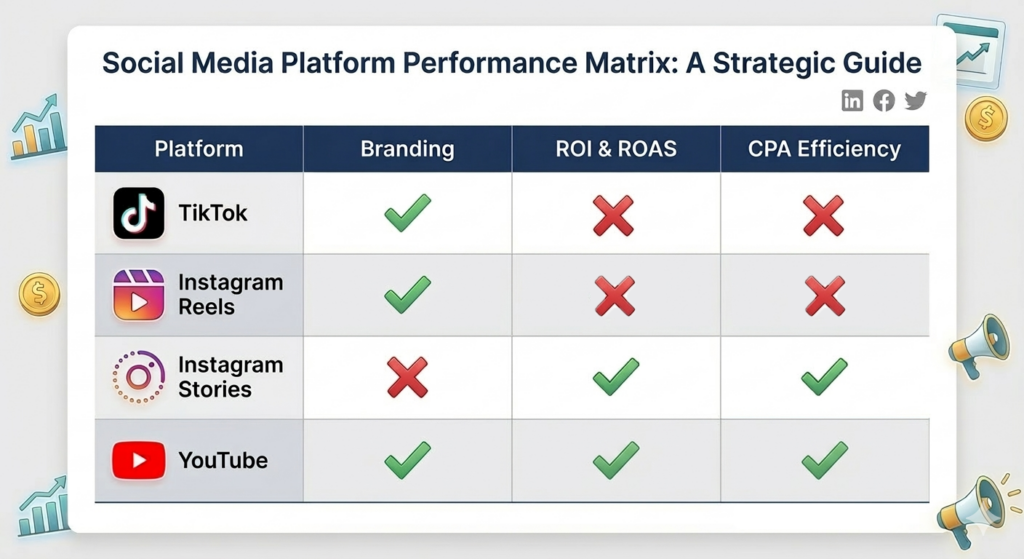
Different social media channels work better for different types of marketing campaigns. Some platforms focus on short videos, while others work well for tutorials or reviews. Choosing the right digital marketing channels helps brands reach their audience more effectively.
| Platform | Best Use |
|---|---|
| Product photos, influencer posts, and lifestyle content | |
| TikTok | Short video content and viral influencer campaigns |
| YouTube | Reviews, tutorials, and long-form influencer content |
| Professional or B2B influencer marketing |
When brands match their influencer marketing campaigns with the right platform, they improve brand visibility and engagement. For example, beauty brands often use Instagram or TikTok, while technology brands may use YouTube for product demonstrations. Using the right marketing channels also helps brands repurpose influencer content. This strategy increases reach and improves overall campaign ROI.
Common Mistakes to Avoid in Influencer Marketing ROI
Even strong influencer marketing strategies can fail if brands make common mistakes. These mistakes often lead to weak results or even negative ROI. When brands understand these risks, they can improve their campaigns and protect their marketing dollars.
Many campaigns fail because brands focus only on follower numbers instead of real engagement. Others fail because they do not measure campaign performance properly. Avoiding these mistakes helps marketers run more effective influencer programs and improve ROI tracking.
Focusing Solely on Reach
Many brands focus only on how many people see their influencer posts. While reach can help increase brand awareness, it does not always lead to results. A post may reach thousands of people but still produce very few clicks or sales. Simply having a wide audience does not guarantee that the campaign will be successful or drive meaningful actions.
Instead, marketers should look at other success metrics such as engagement metrics, conversions, and direct sales. These numbers provide a clearer view of whether a marketing campaign actually worked. A balanced view of performance metrics helps brands measure the true value of their campaigns. This approach helps identify which influencers create real impact instead of just large audience numbers.
Failing to Track Correctly
A common mistake brands make is not tracking their campaign performance properly. Without the right tools, it’s hard to know which campaigns are working and which aren’t. This makes it difficult to measure ROI or improve future campaigns. When brands don’t track results correctly, they risk wasting money and missing out on opportunities for growth.
Brands often use tools like Google Analytics, promo codes, and affiliate links to track key results. These tools help track sales, website visits, and lead generation from influencer campaigns. By measuring results accurately, brands can see how their campaigns are progressing and improve their strategy over time. This also helps build stronger relationships with influencers and ensures the campaign delivers real value.
What Drives Influencer Marketing ROI?
Several factors influence the success of influencer marketing campaigns. These factors determine whether a campaign produces strong results or struggles to gain attention. Understanding these drivers helps brands build stronger influencer programs and improve their roi measurement. Successful campaigns often combine strong creators, engaging content, and clear campaign goals. When brands focus on these elements, they increase the chances of achieving true influencer marketing ROI.
Engagement Metrics
Engagement metrics measure how people interact with influencer content. These interactions include likes, comments, shares, and saves. High engagement usually shows that followers trust the creator and enjoy the content.
Creators with strong engagement often build deeper connections with their audience. This makes their recommendations more powerful. As a result, campaigns with strong engagement often produce better campaign roi. Brands should track engagement when they measure influencer marketing ROI. This helps them identify creators who can turn followers into customers or even brand advocates.
Content Quality
High-quality content creation plays a major role in influencer marketing success. Content should feel natural, informative, and interesting to the audience. When influencer content feels genuine, followers are more likely to trust the recommendation.
Some of the most effective campaigns use user-generated content or storytelling. Instead of hard selling, influencers show how they use the product in daily life. This approach often leads to stronger engagement and better results. Brands that support creators with strong content ideas often see better campaign performance. Over time, this helps build stronger influencer relationships and more successful campaigns.
Measuring ROI Across Different Marketing Channels
Influencer marketing rarely works alone. Most brands use it together with other marketing channels such as email, search, and paid ads. Because of this, marketers should measure how influencer campaigns support the overall marketing strategy.
Some customers may see an influencer post but purchase later through another channel. For example, someone may see an influencer video and later search for the product on Google. This means influencer marketing helped start the customer journey, even if the sale came from another channel.
| Channel | Role in Influencer ROI |
|---|---|
| Influencer Marketing | Builds trust and awareness |
| Paid Ads | Amplifies influencer content |
| Email Marketing | Nurtures leads and customers |
| Search Marketing | Captures purchase intent |
Measuring performance across multiple channels helps marketers understand the full impact of their campaigns. This approach helps brands identify the true influencer marketing roi rather than focusing only on direct sales.
The Impact of Influencer Campaigns on Brand Awareness
One major benefit of influencer marketing is the ability to increase brand awareness. Influencers introduce products to audiences who may have never heard of the brand before. These introductions help brands reach new markets and expand their customer base.
A strong brand awareness campaign can increase website visits, social media engagement, and new followers. Even if customers do not buy immediately, they become familiar with the brand. Over time, this familiarity helps build customer loyalty.
Influencers can also become long-term brand advocates. When creators continue supporting a brand, their followers see repeated exposure to the product. This repeated exposure helps improve brand visibility and strengthens trust with the audience.
How to Maximize Influencer Marketing ROI
Brands can improve influencer roi by using a structured approach to campaign planning. Clear goals, strong creators, and good tracking systems all play a role in successful campaigns. When brands combine these elements, they can improve marketing roi and run more effective campaigns. Several strategies help maximize influencer marketing ROI.
Best practices for maximizing ROI:
- Define clear campaign goals before campaign launches
- Choose influencers who match the target audience
- Use analytics tools for performance tracking
- Repurpose influencer content across marketing channels
- Track results regularly to measure campaign progress
Brands should also review campaign data after each launch. By analyzing performance and learning from past campaigns, marketers can refine their strategy and improve future campaigns.
Conclusion
Influencer marketing ROI helps brands understand whether their campaigns are producing real results. By comparing the cost of a campaign with the value it generates, marketers can see which strategies and partnerships work best. Tracking engagement, reach, and conversions gives brands a clearer picture of campaign performance and helps them improve their approach over time. When influencer collaborations are planned carefully and measured properly, they can support long-term brand growth and stronger customer connections.
If you want to improve your influencer marketing results, consider working with experienced professionals who understand how to build effective creator partnerships. CreatorX Agency helps brands connect with the right creators, track campaign performance, and turn influencer collaborations into measurable growth.
FAQs
What is the average ROI for influencers?
Studies show the average ROI for influencer marketing can reach around $5 to $6 for every $1 spent. However, results vary depending on the industry, platform, and campaign strategy.
How to calculate ROI for influencer marketing?
To calculate ROI, brands compare the money earned from a campaign with the campaign cost. The basic formula is: ROI = (Revenue − Campaign Cost) ÷ Campaign Cost × 100. This helps marketers see whether the campaign produced a profit.
What drives influencer marketing ROI?
Several factors drive influencer marketing ROI, including audience engagement, content quality, and the strength of influencer partnerships. Clear campaign goals, good tracking tools, and strong influencer relationships also help improve campaign performance.