
Influencer marketing campaigns are a powerful way for creators to connect with brands and grow their audience. Rather than using traditional ads, brands team up with social media influencers who have built trust with their followers. Influencers share content that through authenticity that drives engagement with brands. With the best types of influencer marketing campaigns, brands capitalize on this authenticity, reach and engagement. We’ve listed some of the top campaigns including: Nike, Fenty, Gymshark, Coca-Cola, Red Bull, Airbnb, Sephoa, Daniel Wellington and Others.
The key to influencer marketing is trust. When a creator shares a product, it feels like a recommendation from a friend rather than a sales pitch. This trust helps creators connect with their audience in ways that traditional ads can’t. Influencer marketing is not just about promoting products. It’s about starting conversations, building real relationships, and creating trust. As a creator, when you choose the right brands to work with, you can grow your community, increase engagement, and earn more through successful influencer partnerships.
This guide is for creators, influencers, and brands who want to use influencer marketing services to build their careers. You’ll learn how these influencer campaigns work, see influencer marketing examples, and get tips on how you can apply them to grow your platform and partnerships.
What Are Influencer Marketing Campaigns?
Influencer marketing campaigns are leveraged through brands collaborting with social media influencers and creators on their high reach social media platforms like Instagram, TikTok, and YouTube. Influencers share content that feels real and personal, helping brands reach an audience that trusts them and cares about what they offer.
The key to making influencer marketing work is trust and authenticity. When influencers work with the right types of brands, they’re able to authentically create content around the brand that drives engagement and dialogue. This trust helps brands get noticed and build a stronger connection with their audience. As a creator, it’s important to focus on clear goals, pick the right brands to partner with, give influencers creative freedom, and track the results with things like discount codes or tracking links. Following these steps can help creators have a successful campaign and get great results.
Types of Influencer Marketing Campaigns for Creators
There are several different types of influencer marketing campaigns. Ones that drive branding/reach and ones that drive ROI (through click through (CTR) and measured by CTR, CPA, CLTV, ROAS, ROI, etc.). Achieving brands/reach and/or ROI can be determined by which platform you use for the influencer marketing campaign. Here’s image that showcases which platform is best for what type of campaign.
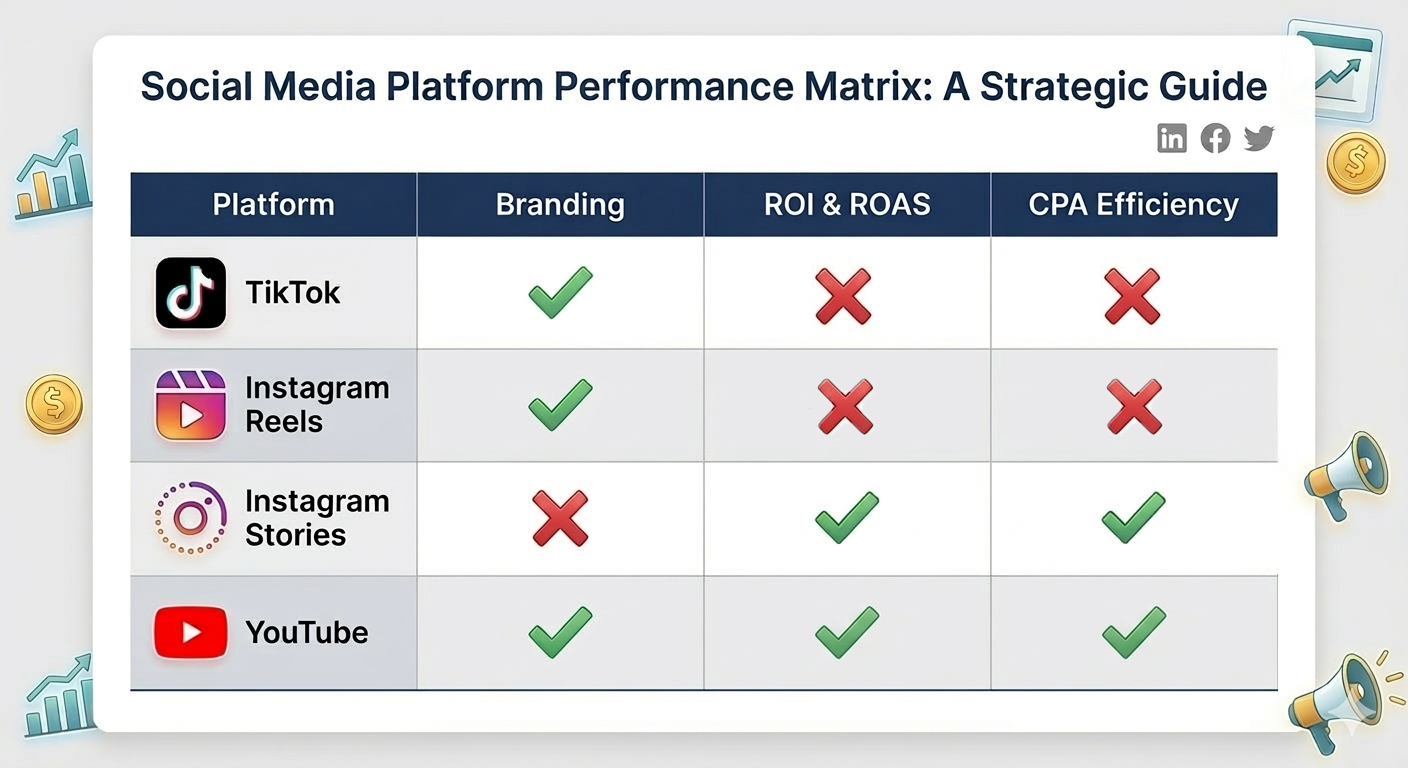
Key metrics for each type of campaign are as follows:
Branding:
- Reach
- Engagement (likes, comments, shares)
ROI/ROAS:
- Click through (CTR)
- Cost per acquisition (CPA)
- Cost per sales (CPS)
- Customer lifetime value (CLTV)
Brand Awareness Campaigns
Brand awareness campaigns aim to help more people learn about a brand or product. These campaigns focus on reaching a large audience rather than pushing immediate sales. As a creator, you can work with influencers to share content that fits naturally with their regular posts, helping the brand get noticed without feeling like an ad. These campaigns work well with high reach creators and can work on Instagram, TikTok and/or YouTube.
Product Launch Campaigns
Product launch campaigns are about getting people excited about a new product. As an influencer, you might get early access to a product and share your experience with your followers. This could be through unboxing videos or honest reviews. These campaigns help build interest and buzz around a product before it’s available, creating excitement and making followers eager to try it when it’s released.
Creative/Branding Campaigns
Creative or branding campaigns focus on building a brand’s image over time. Influencers create content that reflects the brand’s values and story. This helps followers connect with the brand on a deeper level. As a creator, it’s about sharing content that aligns with what the brand stands for. These campaigns help build long-term relationships with your audience and strengthen your personal brand’s connection with the audience.
Affiliate Marketing Campaigns
Affiliate marketing campaigns are designed to help creators earn sales commissions by sharing tracking links or discount codes with their followers. Influencers promote products with these links, and when their followers make a purchase, the influencer earns a commission. This type of campaign is great for creators because it offers a way to track performance and see the direct results of the campaign. It also motivates creators to produce high-quality, engaging content.
10 Successful Influencer Marketing Campaigns
Influencer marketing is an excellent way for creators to build trust with their audience and partner with brands. By working with influencers who create authentic content, brands can grow their reach and build lasting connections. Here are 10 successful influencer marketing campaigns that show how creative, honest content can make a big impact.
1. Nike – Dream Crazier Campaign
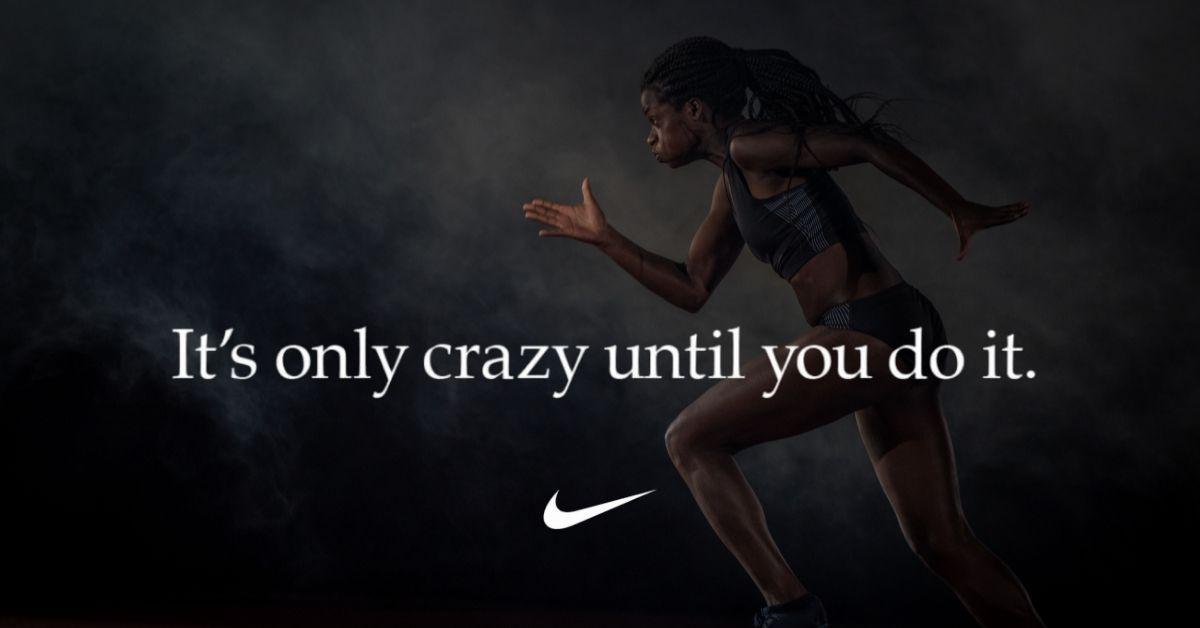
Nike’s Dream Crazier campaign celebrated women who broke barriers in sports. The brand worked with athletes and influencers to share inspiring stories of women overcoming challenges. The campaign focused on empowerment and strength, which really connected with people. Instead of just selling products, Nike shared important values. Influencers shared their personal stories, making the message feel real and strong. The campaign became more than just an ad. It turned into a movement that brought Nike closer to a wider audience.
2. Fenty Beauty – Inclusive Beauty Campaign
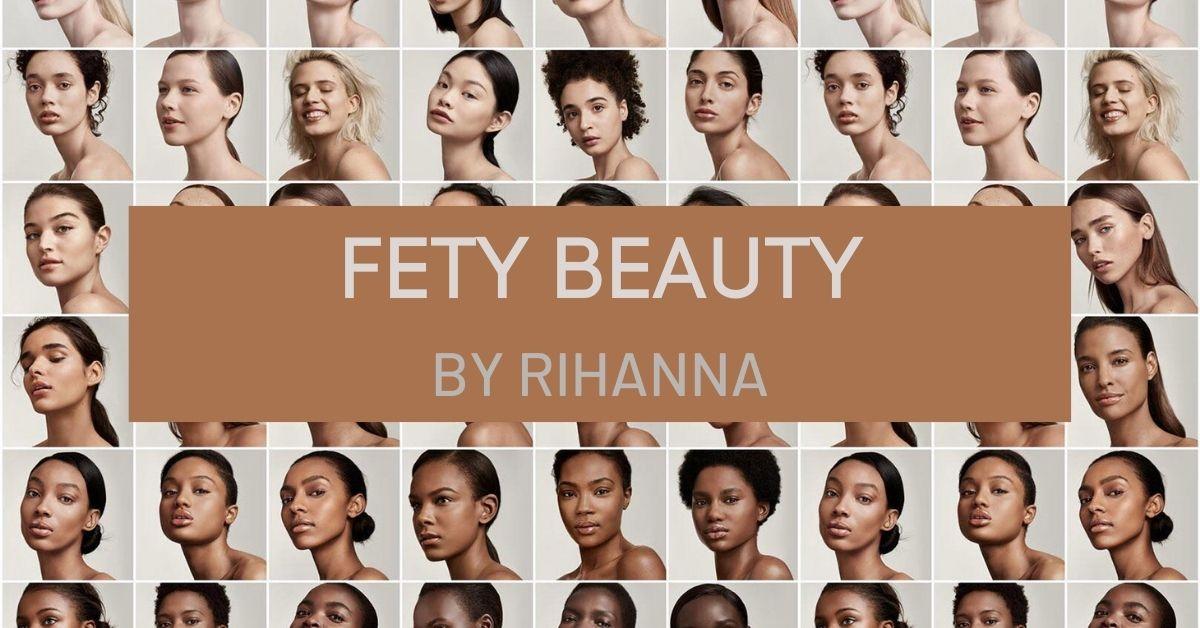
Rihanna’s Fenty Beauty used influencer marketing to launch its products. Instead of just using celebrity endorsements, the brand worked with beauty influencers from different skin tones and backgrounds. These influencers shared real content, showing how the products worked for their skin tones. This helped Fenty Beauty build trust and get noticed quickly around the world.
3. Coca-Cola – Share a Coke Campaign
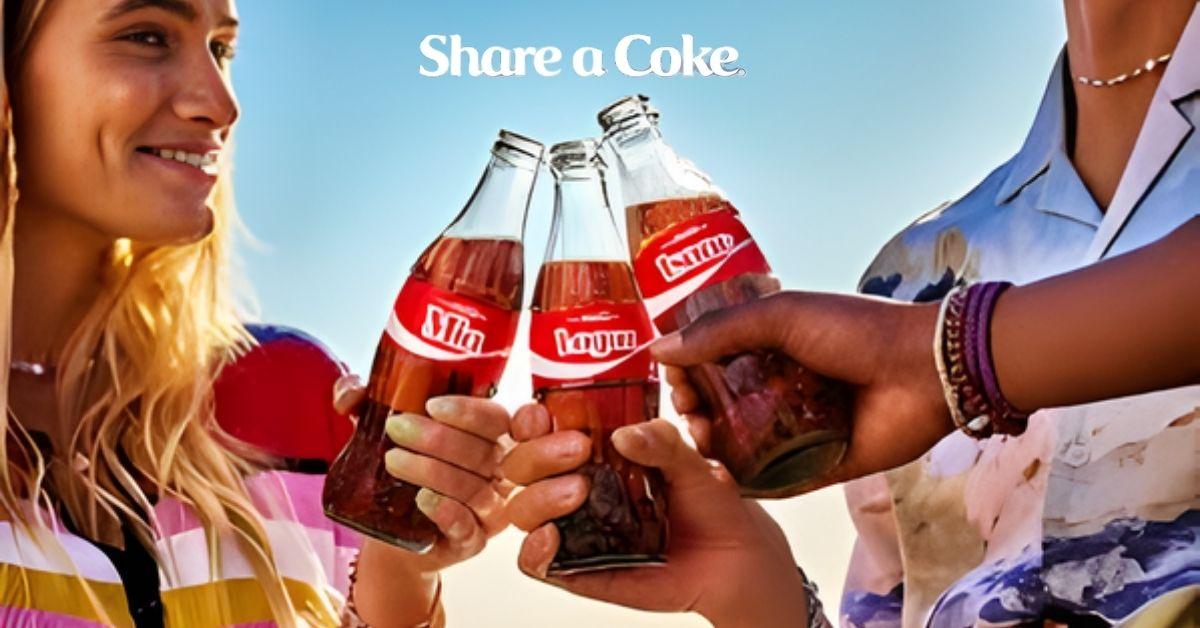
Coca-Cola launched the “Share a Coke” campaign by replacing its logo with popular names on bottles. Influencers and social media users began sharing pictures with their personalized bottles, making the campaign go viral. This helped Coca-Cola connect with younger audiences and encouraged people to share their moments with friends and family. The campaign created lots of user-generated content and made Coca-Cola feel more personal and fun to its audience.
4. Gymshark – Fitness Community Campaign
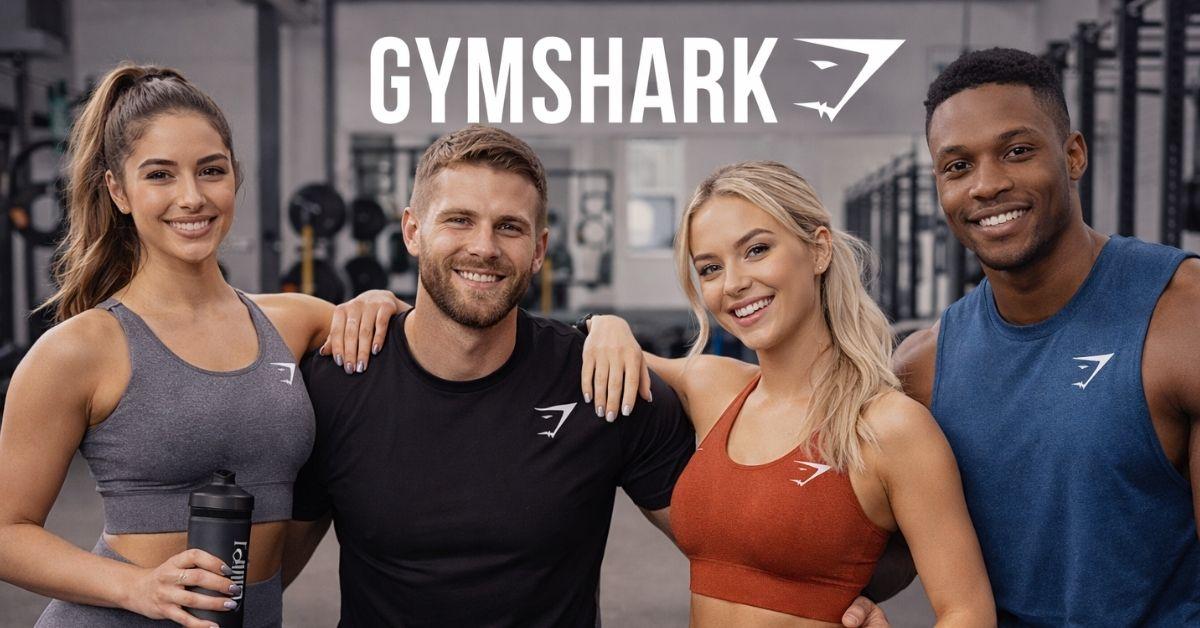
Gymshark grew its brand by partnering with fitness influencers who shared the brand’s lifestyle and community values. Influencers often posted workout routines and fitness tips while wearing Gymshark products. This long-term strategy helped Gymshark connect with its audience and build a strong community. Over time, it helped Gymshark grow into a billion-dollar brand.
5. Dunkin’ – Charli D’Amelio Partnership
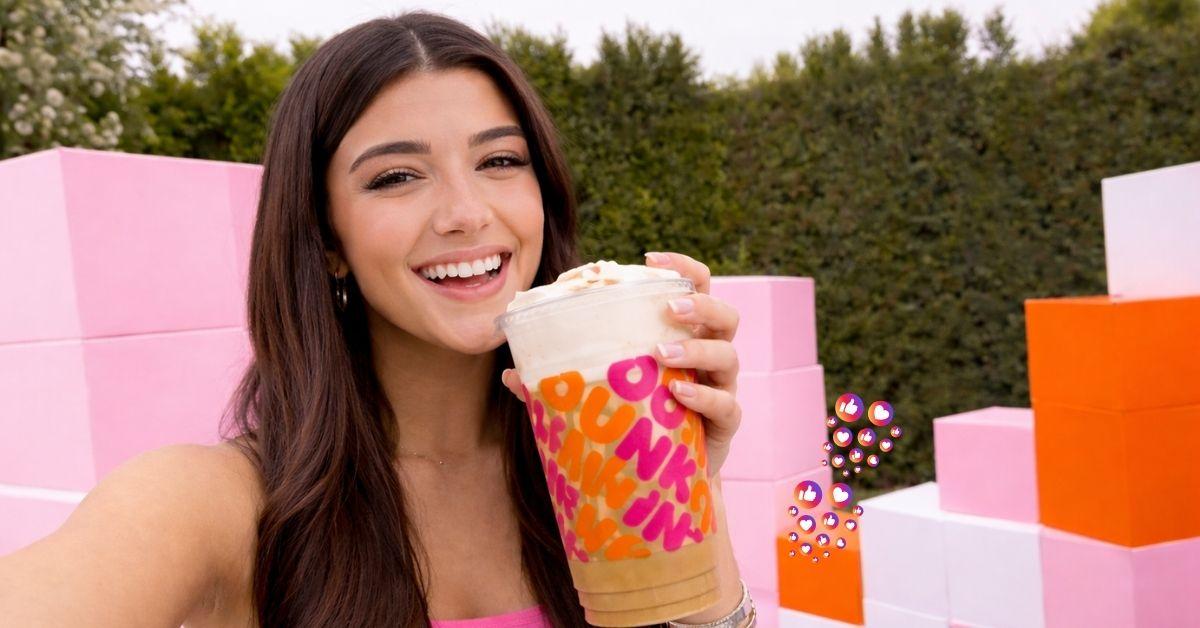
Dunkin’ worked with TikTok star Charli D’Amelio to promote a signature drink named after her. The partnership quickly became a hit, with millions of views across social media. Charli’s large following helped Dunkin’ reach a younger audience who were excited to try the drink. The campaign also led to a big increase in app downloads, as more people joined to get the Charli drink. This collaboration showed how influencer partnerships can help boost both brand awareness and sales in a short time. It also highlighted the power of TikTok influencers in connecting with a wide, engaged audience.
6. Daniel Wellington – Influencer Affiliate Campaign
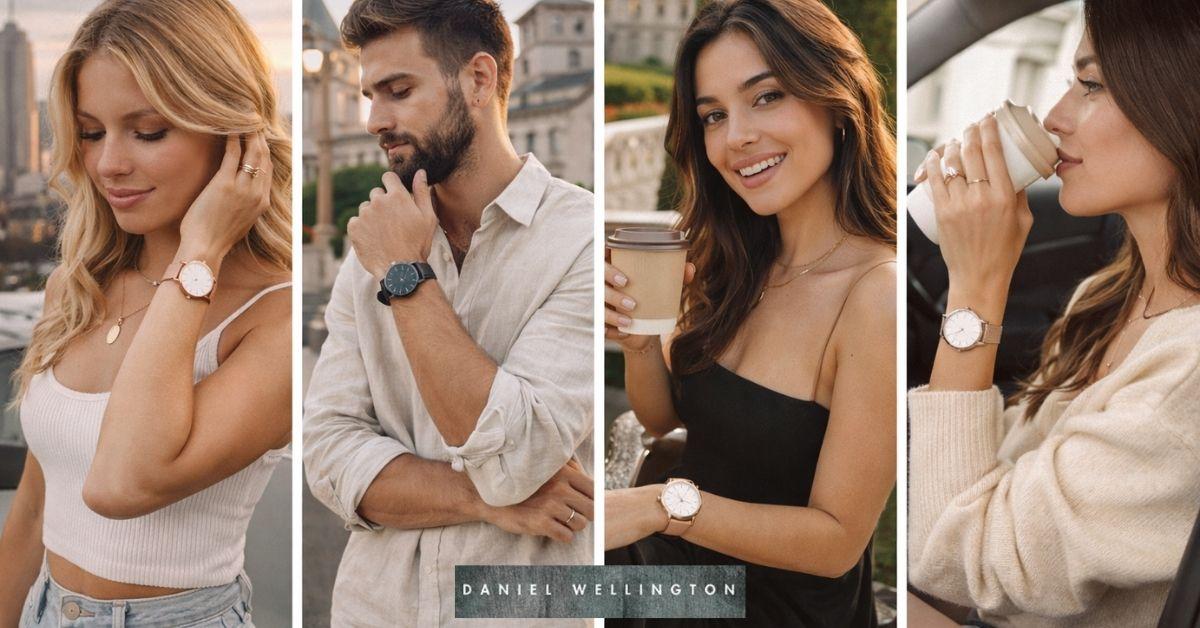
Daniel Wellington worked with micro-influencers on Instagram to promote its watches. These influencers posted pictures of themselves wearing the watches and gave their followers special discount codes. The campaign was successful because it helped the brand reach people who trusted the influencers. Influencers earned a commission when their followers bought the watches. This strategy helped Daniel Wellington become a popular brand all over the world.
7. ASOS – Micro-Influencer Strategy
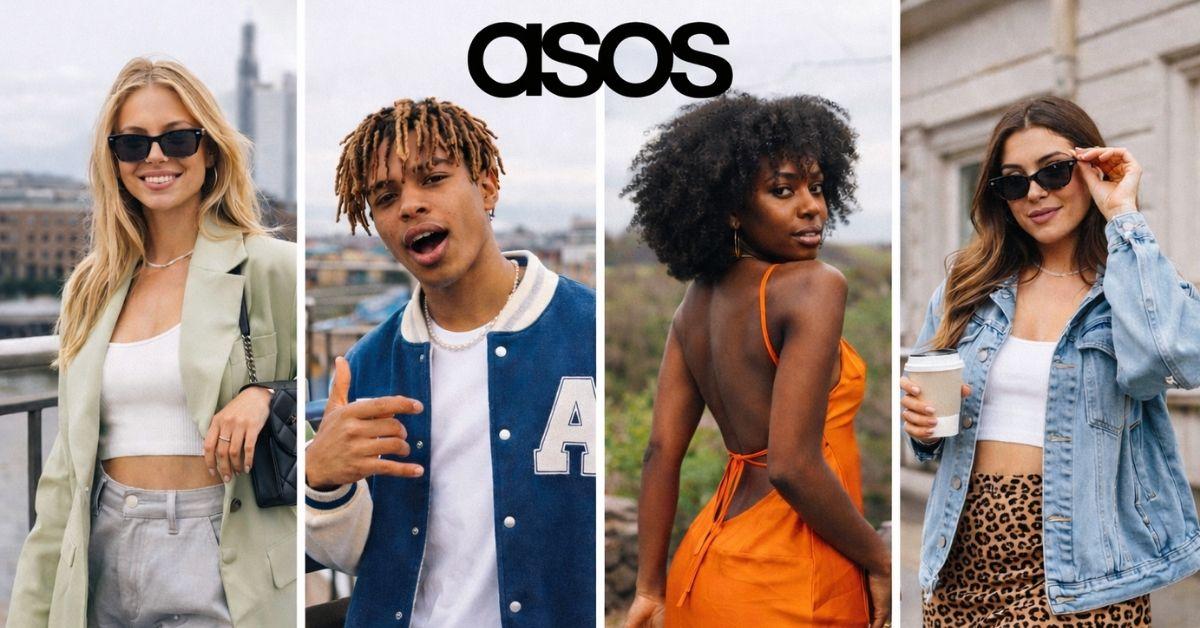
ASOS worked with many micro-influencers to show off their clothes. Each influencer posted pictures of themselves wearing ASOS outfits. The campaign worked well because it felt real and personal. The influencers helped ASOS reach more people by showing off different styles. This helped ASOS grow its brand and connect with more customers.
8. Red Bull – Extreme Sports Influencer Campaign
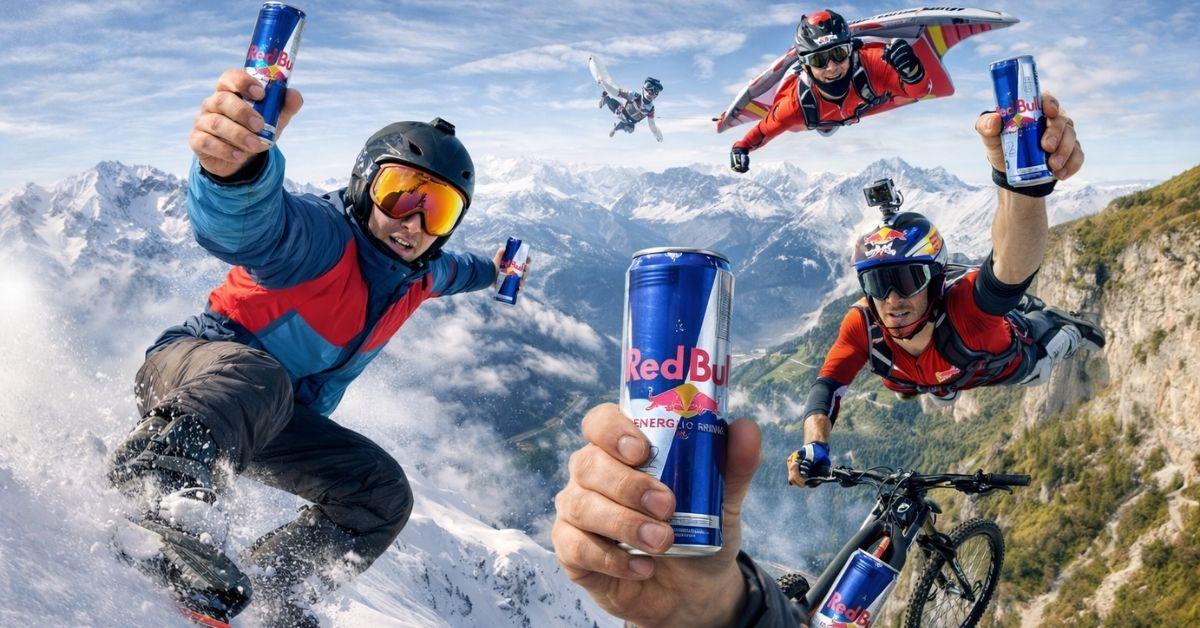
Red Bull worked with extreme sports athletes and influencers to promote its brand. These influencers shared exciting videos of themselves using Red Bull products during sports events. The campaign helped Red Bull connect with people who love action sports and adventure. It made Red Bull feel real and exciting by showing the product in real sports situations. This helped the brand connect with a group of people who enjoy high-energy activities.
9. Sephora – Beauty Creator Program
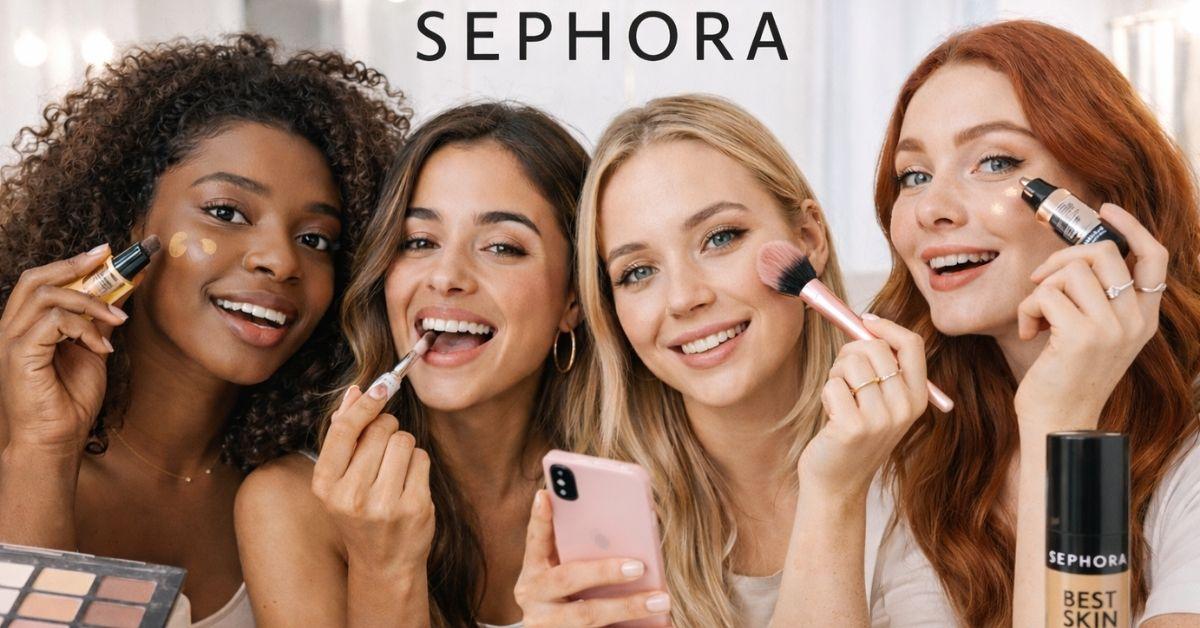
Sephora put together the Sephora Squad, which was a group of beauty enthusiast influencers who were more than happy to pass on their makeup tips & product reviews. In doing so, these influencers gave a real-life demonstration of how the products worked, which made the brand feel that much more genuine & relatable. This beauty creators initiative helped Sephora get up close and personal with their customers by sharing honest content. The result was that the brand started to feel a lot more trustworthy and, more importantly, kept people genuinely interested.
10. Airbnb – Travel Influencer Campaign
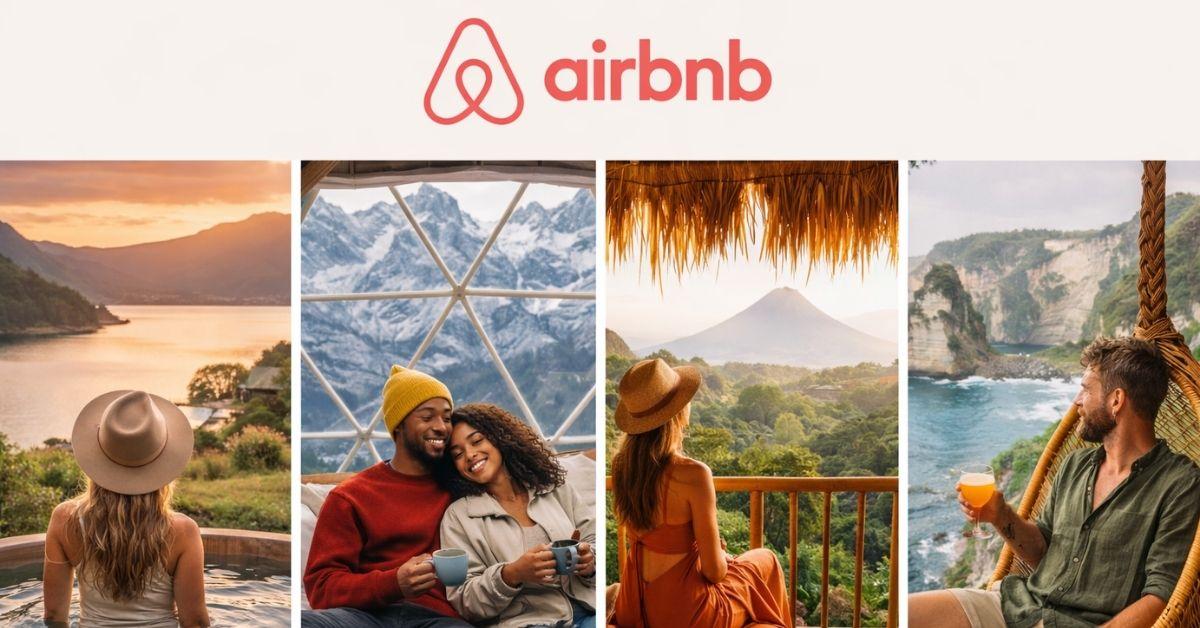
Airbnb teamed up with some travel influencers to get them to share their personal experiences of trying out Airbnb for a stay. These influencers would go on and post all sorts of great photos and stories about their trips. The result of all this was that it made people want to give Airbnb a try for their next vacation. By sharing genuine stories, Airbnb managed to build some real trust with travelers who are always on the lookout for their next adventure.
How to Plan an Effective Influencer Marketing Campaign
To plan a good influencer marketing campaign, start with a clear plan. First, decide what you want to achieve. Are you trying to grow your audience, get more engagement, or increase sales? Next, choose the right influencers. Look for influencers whose followers match your target audience, not just the ones with the most followers.
It’s also important to give influencers some rules, but let them be creative. Real content works better than posts that sound too much like ads. Finally, track how your campaign is doing. Look at things like how much people engage with the posts, how many visits your website gets, and how much sales grow. These numbers will help you plan better campaigns in the future.
Common Mistakes to Avoid in Influencer Marketing Campaigns
Influencer marketing can work wonders, but some brands make mistakes that hurt their campaigns. One big mistake is choosing influencers just because they have a lot of followers. It’s more important to see how much their followers trust and engage with them. Another mistake is not having clear goals. If you don’t know what you want to achieve, it’s hard to measure success. Some brands also limit how much freedom influencers have to be creative. Giving influencers more space to make their own content can lead to better, more authentic results. Lastly, it’s important to track the campaign’s progress along the way to make sure it’s on the right track.
Other mistakes to watch out for:
- Choosing influencers whose followers don’t match your target audience.
- Not checking how well the campaign is performing.
- Overlooking micro-influencers, who often have more engaged and loyal followers.
- Not reusing influencer content for future marketing.
How to Measure the Success of Your Influencer Marketing Campaign
Measuring the success of your influencer marketing campaigns is crucial for understanding if your influencer partnerships have had a real impact. By tracking key performance indicators (KPIs), you can see if your efforts are delivering the results you want. Here are the most important metrics to focus on:
- Engagement Rates: Engagement is one of the most important things to measure. This includes likes, comments, shares, and saves on social media posts. High engagement shows that the influencer’s audience is responding well to the content. Influencers with engaged followers are more likely to help increase brand awareness and build brand loyalty.
- Conversion Tracking: Tracking conversions is important to know if your campaign is driving sales. Use tracking links, discount codes, and referral traffic to see if the influencer’s reach led to purchases. This helps brands measure the ROI (return on investment) and how much influencer marketing efforts contributed to the campaign’s success.
- Reach and Brand Awareness: Tracking the campaign’s reach and brand awareness helps you understand if the campaign is spreading your message. Look at impressions, follower growth, and social media mentions to see if the campaign successfully expanded your brand’s visibility. Measuring brand awareness helps ensure you’re reaching the right people, especially across multiple platforms and social media channels.
Conclusion
Influencer marketing campaigns are changing the way brands connect with their target audience. By partnering with the right influencers who create real and authentic content, brands can boost brand awareness, get people excited, and build strong brand loyalty. The successful influencer marketing campaigns we looked at show how powerful these partnerships can be when done the right way. Whether your goal is to launch products, grow social media engagement, or drive sales, influencer marketing is a great way to reach your growth goals. Brands that work with the right influencers, create great content, and track their key performance indicators will continue to succeed in their influencer marketing efforts.
If you’re ready to take your brand’s marketing to the next level with influencer collaborations, start by finding influencers who share your brand values. Create content that connects with your audience on social media platforms. At CreatorX, we specialize in helping brands build strong, authentic partnerships that drive success in influencer marketing and grow your brand’s reach.
FAQs
What is an influencer marketing campaign?
An influencer marketing campaign is a collaboration between a brand and an influencer where the influencer promotes the brand’s product, service, or message to their audience. These campaigns often include social media posts, product reviews, or sponsored content. The goal is to reach a targeted audience through authentic recommendations.
What are examples of influencer marketing campaigns?
Examples include Nike’s Dream Crazier campaign, Fenty Beauty’s inclusive influencer strategy, and Coca-Cola’s Share a Coke campaign. These campaigns used influencers to create engaging content that resonated with their audiences. Each campaign generated strong engagement and brand awareness.
What are the 4 types of influencers?
The four main types of influencers are nano influencers, micro influencers, macro influencers, and mega influencers. Nano influencers typically have smaller but highly engaged audiences, while macro and mega influencers offer broader reach. Brands choose different influencer types depending on their campaign objectives and audience size.